We bring you five factors to consider as discussed at Leaders Meet: the Art of Strategy this year by guests including Michael Bourne of the Lawn Tennis Association, Olympic gold medallist Tabby Stoecker and the UK Ministry of Defence’s Aneaka Reay-Kemp.
Main Image: Robert Obreja / Leaders Performance Institute
“In order to build the right bridge, you need to understand those two things.”
Bourne, the Performance Director at the Lawn Tennis Association [LTA], was the first to speak at Leaders Meet: the Art of Strategy, which took place at Lord’s Cricket Ground in London in late March.
Members of the Leaders Performance Institute travelled from far and wide for a day that challenged assumptions and provoked some of the sharpest minds in the sports industry to rethink how strategies emerge in high-performance environments.
Bourne was joined on the bill by Milano Cortina mixed skeleton gold medallist, Tabby Stoecker, and speakers from organisations including the Football Association, luxury retailer Selfridges, and the UK Ministry of Defence. Together, they explored how strategies are built, stress-tested and executed by the best in the business.
Below is a snapshot of the day’s proceedings; five fresh insights to help strengthen your own planning and execution.
1. A strategy starts with a brutally honest discussion
Bourne joined the LTA in 2018, when they were two years into their ten-year performance strategy designed to tackle the lack of players coming through the British tennis system.
Yes, Andy Murray had won three majors in recent memory, but the sense was that this was “despite the system, not because of it”.
“In essence, between 2016 and 2017, the organisation undertook a diagnosis of the situation,” said Bourne, “and they came up with a number of different issues”.
This diagnosis, which included a lack of coherent pathways, limited programmes for talent ID, and resources spread too thinly, enabled the LTA to have a long, hard look at itself without pointing fingers at individuals. It lowered stakeholder defensiveness and provided the foundations for what they needed to do next.
Bourne was not present for the diagnosis, but he was recruited shortly after to ensure the LTA adopted the right approach and a coordinated set of actions. But they could not jump ahead. As he said:
I believe that you have to have that first element of the diagnosis and your guiding policy right first.
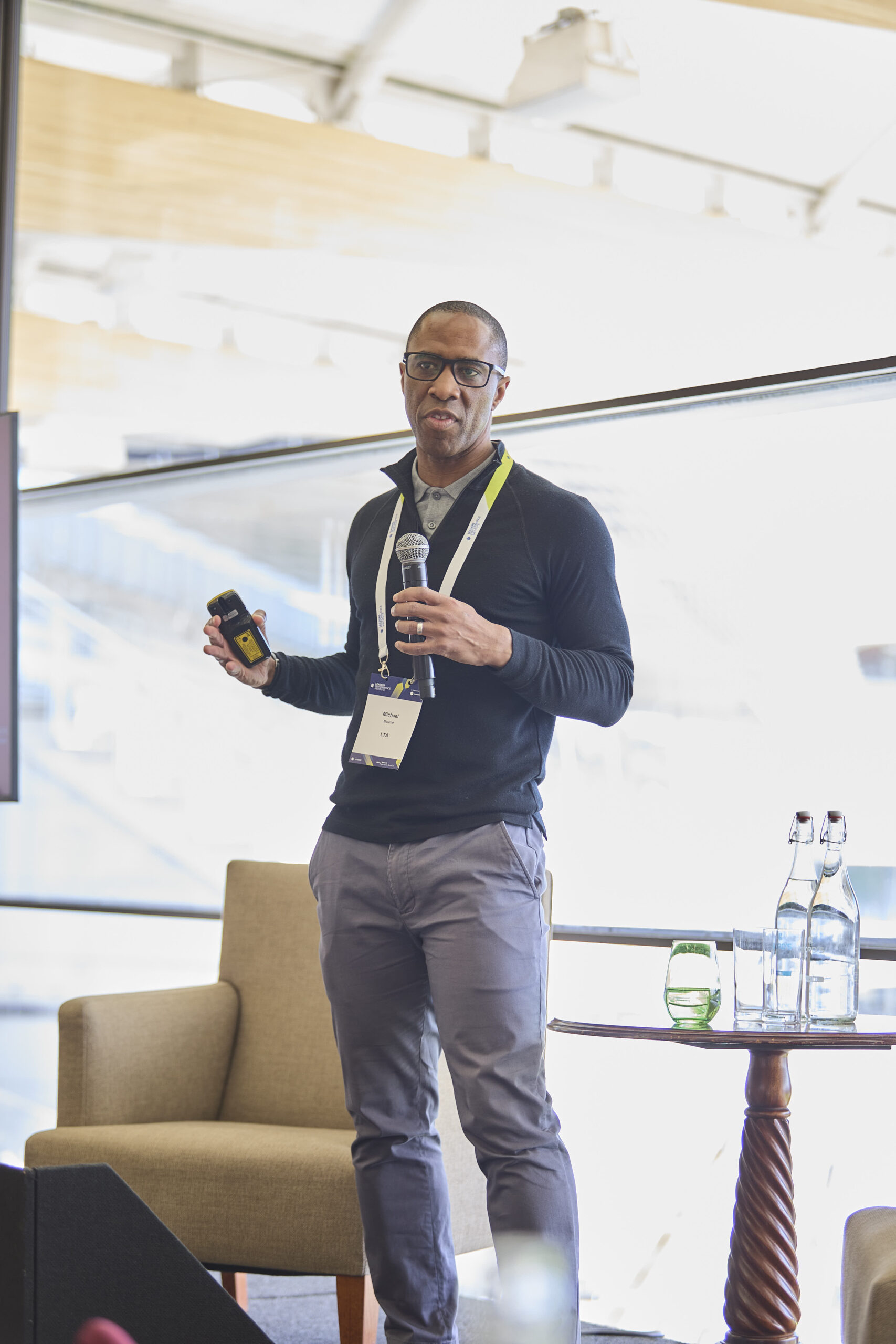
Michael Bourne, Performance Director at the Lawn Tennis Association, spoke first and set out the hard truths confronting British Tennis back in the mid-2010s. Image: Robert Obreja / Leaders Performance Institute
2. Your strategy must be co-created
At luxury retailer Selfridges, Head of DEI, Recruitment & Onboarding, Sharlene John, faced the challenge of trying to tie her work to commercial outcomes while challenging the idea that DEI is “fluffy” and irrelevant.
The result was Selfridges’ award-winning DEI and culture strategy Open to the World. On John’s watch (she joined Selfridges in 2021), female leadership within the organisation has grown from 32% to almost 70%; Selfridges is also an industry leader in ethnic representation.
Open to the World flourished because of John’s efforts to ensure it was a co-created initiative from the start. She said:
Before we even put pen to paper, it was going out and speaking to my teams, but also my leaders, to understand what does DEI or culture mean to you? And where there was that missing voice, it was bringing people into the room. So not just relying on those senior leaders where we don’t have representation, it was ‘OK, we’ll go down a layer’… I was talking to people across our business with a headcount of around three and a half thousand… We’ve got stores in Manchester, Birmingham, a tech suite in Leicester, and then the flagship in London. I went to every site speaking to people from grade 2, which is our junior role, up to our grade 7, which is exec positions, to understand what Open to the World actually means to them.
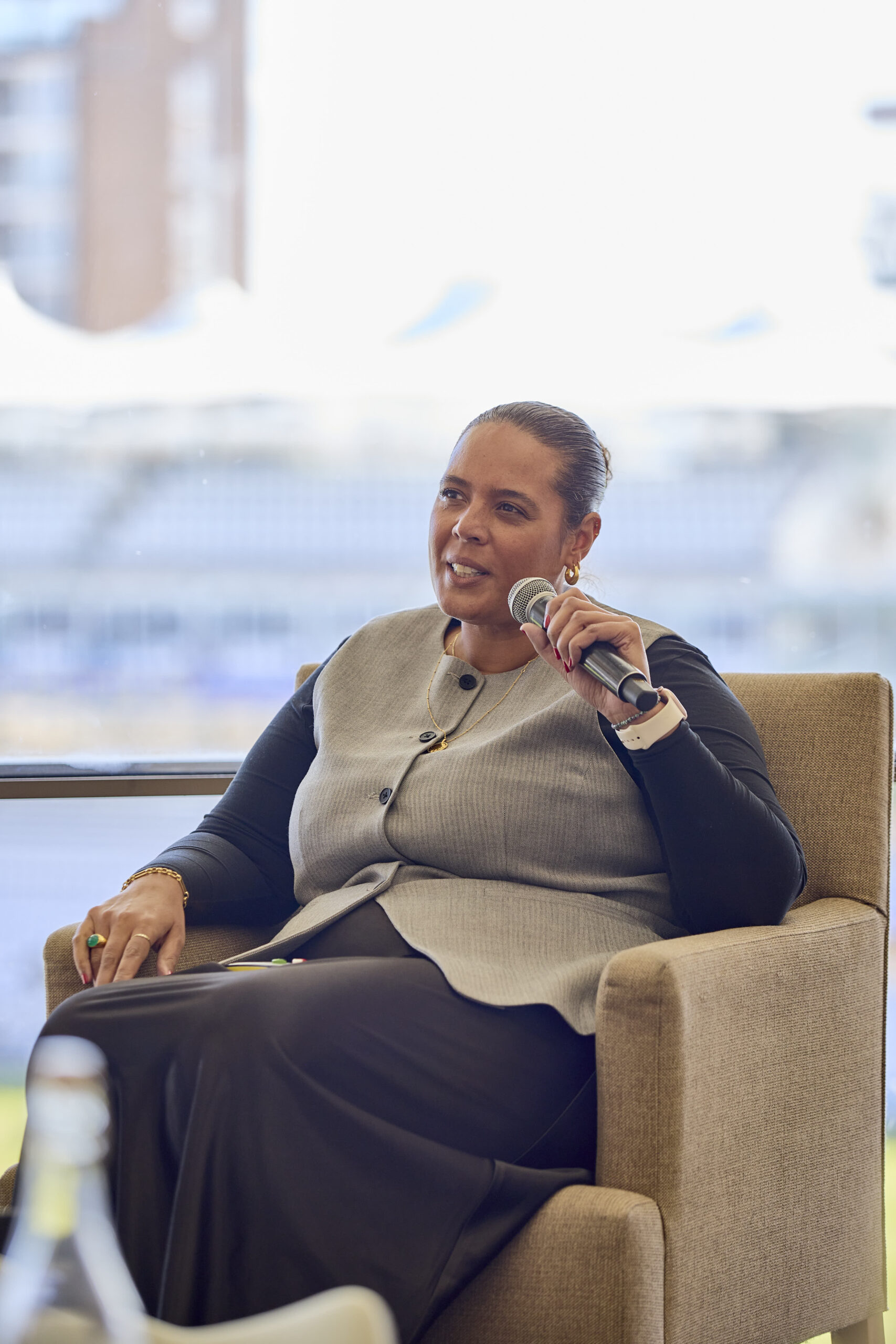
Sharlene John, the Head of DEI, Recruitment & Onboarding at Selfridges, describes her organisation’s award-winning Open to the World inclusion programme, which was built by a plurality of stakeholders. Image: Robert Obreja / Leaders Performance Institute
3. Evaluation (and re-evaluation) is continuous
“If you don’t get it right when you’re there in the moment, doing a review process at the end is worthless.”
So said Paul Ford, the former Head of Sport at the British Olympic Association [BOA] who recently joined English Championship side Norwich City as Performance Director. He spoke alongside Tabby Stoecker, the mixed team skeleton gold medallist at the Milano Cortina Games alongside her teammate Matt Weston.
When it comes to in-the-moment tweaks, Ford has a point. The BOA must work with national governing bodies, coaches and athletes continuously throughout a four-year cycle. “It’s making sure that we are doing it hand in hand with our sports as frequently as possible,” Ford added.
A macro ‘plan-do-review’ alone is not adequate. Of competition time itself, he said:
It’s on a daily cycle during delivery mode at a Games. [We ask] what are you planning for this day? What are we doing this day? How has this day gone? Because if you don’t make the most of that experience in the moment, it’s not going to happen for another four years.
Stoecker benefited from this approach, as demonstrated by her success. She said:
There wasn’t just the review of that specific race, but also ‘what are you taking from this that you’re going to change or carry forward for three years’ time, two years’ time, six months’ time?’… you can get quite swept up in what you’re doing and you have these extreme highs and lows. So I think staying focused, and when you’re then doing that and being so process-driven, the results just come.

British Olympic gold medallist Tabby Stoecker is deep in conversation with Paul Ford, the former Head of Sport at the British Olympic Association, as they discuss Team GB’s strategic approach to Olympic cycles and, more specifically, Stoecker’s path to gold in the mixed skeleton at the Milano Cortina Games. Image: Robert Obreja / Leaders Performance Institute
4. Be ready to act on incomplete information
You and your team may enjoy clarity and alignment of purpose, but optimal operating conditions are likely to be elusive whatever your efforts.
With this in mind, Aneaka Reay-Kemp, the Lead Military Intelligence Specialist at the UK Ministry of Defence, told the audience how British military operations are primed to perform when personnel do not have even 60% of the desired information. They are trained, as she said, to be “comfortable being uncomfortable”.
Rank, she argued, has limited bearing. In fact, the British military has taken steps to reduce the influence of its own hierarchies in moments of uncertainty. She said:
It doesn’t matter what’s on that person’s chest, it doesn’t matter their background, they still bring value no matter how junior they are. So for me, I find that when you’re operating in an environment where you don’t have all the information, understanding your people, understanding their capability, what they bring to the party can help save someone’s life.

Aneaka Reay-Kemp, the Lead Military Intelligence Specialist at the UK Ministry of Defence (centre), in conversation with moderator Iain Brunnschweiler (left) and Football Association Head of Strategic Development & Operations, Paul Cleal (right) as she explained what it takes for military personnel to act with incomplete information. Image: Robert Obreja / Leaders Performance Institute
5. What are you ready to discard?
New initiatives, new processes and new ways of thinking are great, but what are you prepared to discard?
“One of the things about strategy is making choices,” says Paul Cleal, who spoke alongside Reay-Kemp in his capacity as Head of Strategic Development & Operations at the Football Association. “If you’re trying to change something, it almost always involves stopping doing something else.”
However, as he has experienced, this is often easier said than done. “If things involve stopping doing something for the new thing you need, a lot of organisations struggle with that.”
Evidence, he explained, is critical in making those choices:
When I walked in three years ago, my job was not to throw things in the bin and do them differently. It was to ask: is what we’re doing now meeting the strategic aims and to what extent do we need to get closer to our strategic aims and what is it we can change?
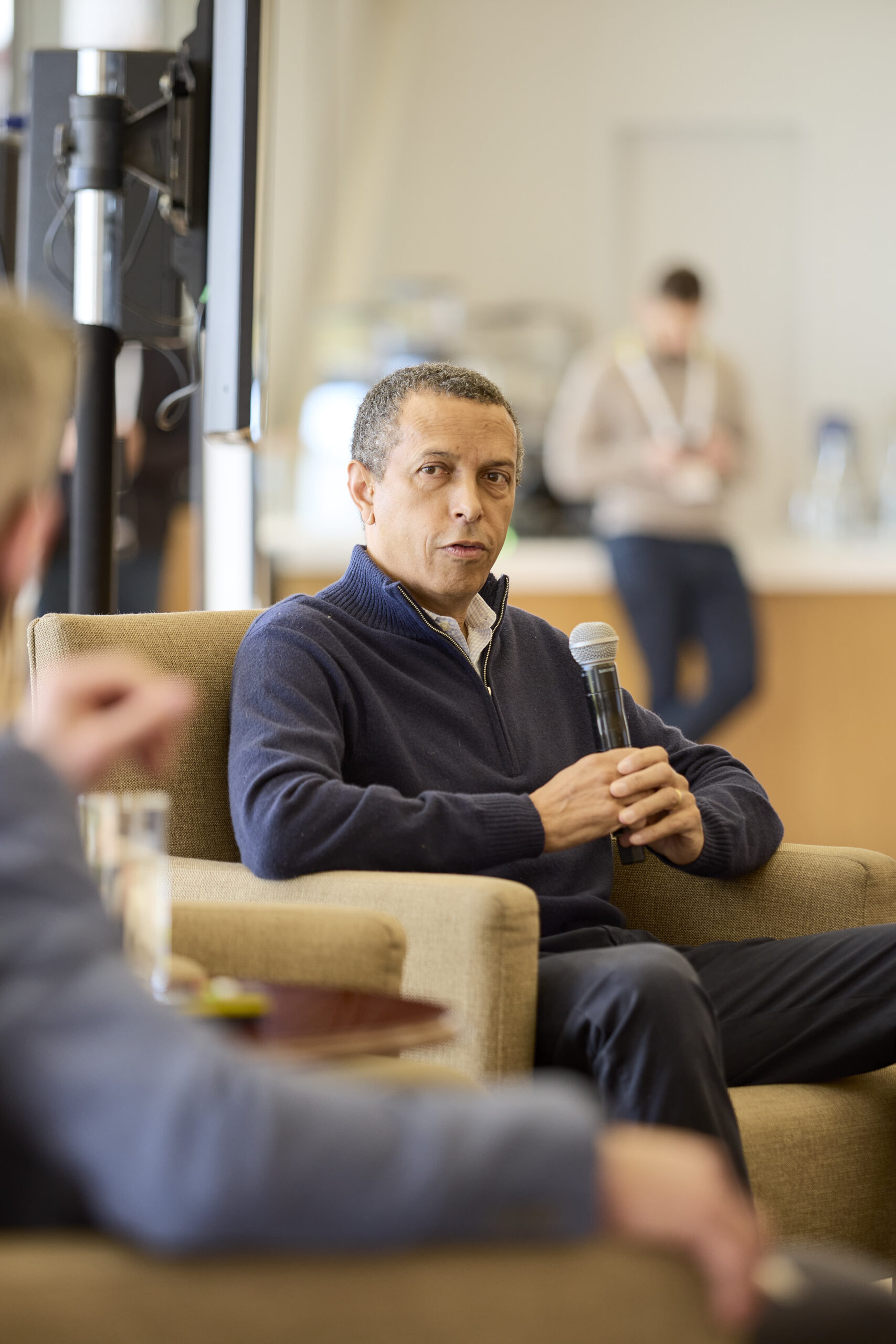
Paul Cleal, the Head of Strategic Development & Operations at the Football Association, explains why it’s important to discard programmes and processes when they no longer serve the collective. Image: Robert Obreja / Leaders Performance Institute
See you at the Sport Performance Summit in New York?
Here are a selection of best practice tips from members of the Leaders Performance Institute.
Former US President Dwight D Eisenhower wrote that line in a letter to a US diplomat in 1950 and repeated the sentiment throughout his eight years in the White House.
The line was quoted by Patrick Mannix, the Sports Science Senior Manager at US Soccer, at a presentation to Leaders Performance Institute members in 2025.
“The idea behind this quote is that high-performance teams don’t necessarily have a static plan,” said Mannix.
“The plan is constantly evolving as new information comes to light, whether that’s in relation to the tournament that we’re playing in, the players that we’re working with, and a variety of other contexts that are relevant to the world of international soccer.”
With a considered plan, a leader can align their people and allocate their resources effectively. With a structured review process, improvements can be sustained.
That is the message at the heart of a forthcoming case study virtual roundtable hosted by Mannix’s US Soccer colleague, Teena Murray, who will speak in her capacity as the organisation’s Director of Performance and from her experience of leading performance programmes at the NBA and NHL.
Here, we foreground Murray’s presentation with a selection of five best practice insights in the realms of planning and reviewing delivered by members of the Leaders Performance Institute.
1. The VMOST framework
‘The organisations that perform most consistently are not those that plan less,’ wrote James Thomas. ‘They are those that build solid foundations, plan with intent, adapt with discipline and continue to stay rooted to the agreed values and behaviours when circumstances change.’
Thomas, the Performance Director at Warwickshire County Cricket Club, wrote these words in February.
He argued that while planning is often perceived as control, he believes it to be the opposite:
When the direction is clear, planning is decentralised. Coaches, athletes and staff can act with confidence because they understand the broader context. When strategy is absent, everything escalates upwards. Decisions slow, responsibility blurs and energy is wasted re-litigating the same conversations week after week.
Thomas then introduced business strategist Rakesh Sondhi’s VMOST (Vision, Mission, Objectives, Strategy and Tactics) framework, which ‘provides a disciplined way of connecting the big picture of the future to the daily actions, tasks and deliverables required to get there’: 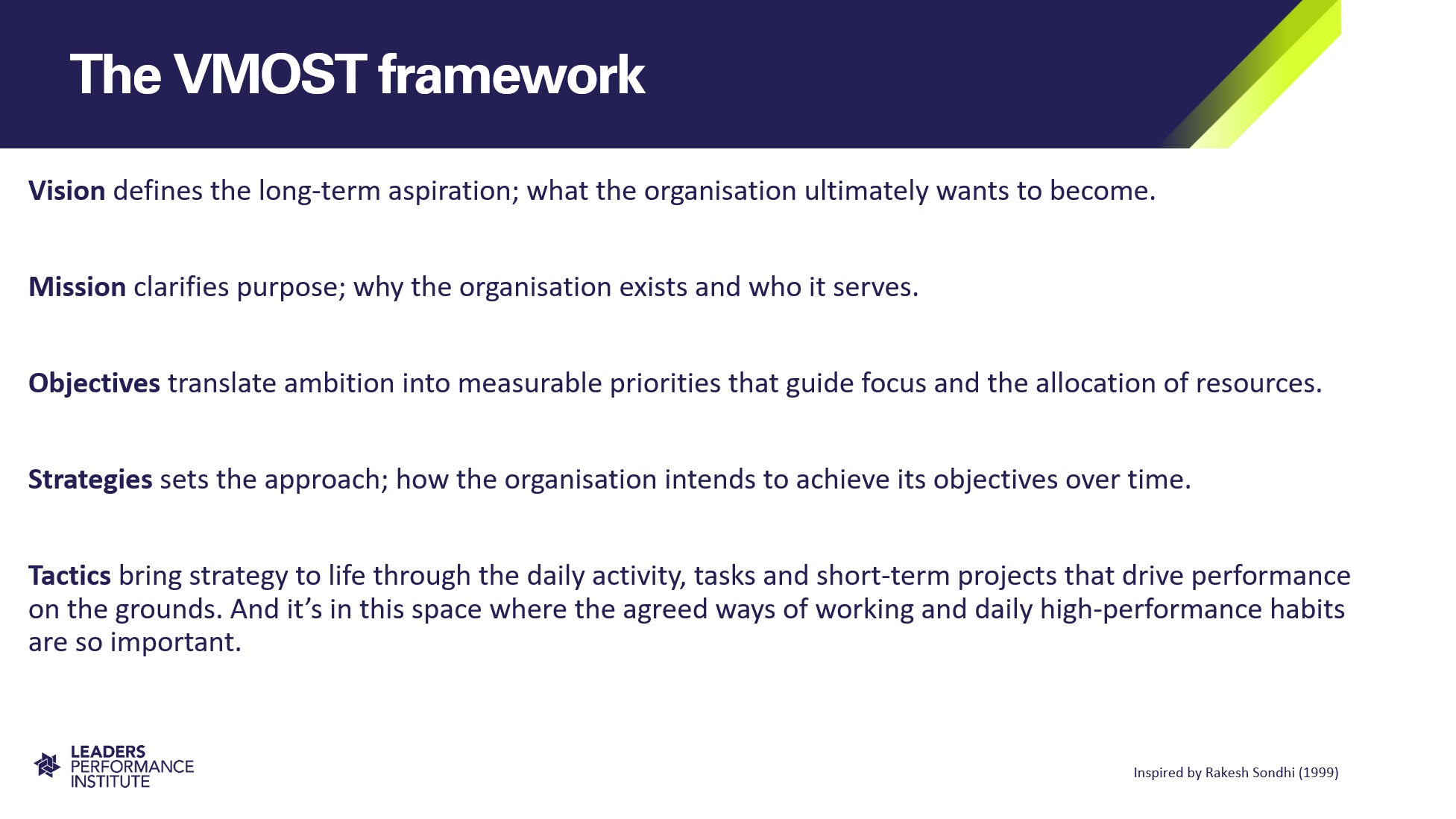
‘The power of VMOST lies in its simplicity,’ Thomas continued. ‘In high-performance environments, complexity is already high. Strategy models must reduce cognitive load, not add to it. VMOST creates line of sight. Individuals can see how their daily work connects all the way through to the long-term vision of the team and/or organisation.’
Finally, ‘when applied well, this kind of structure does not constrain creativity. It enables it. People can feel empowered to adapt, innovate and solve problems within a clear strategic frame’.
2. Find the right time for athlete education
Paul Ford, the outgoing Head of Performance at the British Olympic Association, explained in a recent article that an Olympic Games environment ‘is the worst possible place for trying to get people to peak and perform to the best of their capabilities’. He wrote:
Athletes are compacted into a brand-new village of more than 16,000 people who are all subject to a constrained competition schedule in what amounts to 52 world championships in 17 days, all in the same city.
It’s almost like they are being set up to fail when they’re expected to deliver the best performance of their lives.
The key, he argued, is tapping into the bits of the Olympic experience that build you up and not the elements that can detract from your performance. Athlete education is a critical element of the BOA’s fixed Games plan and comes in the form of discussions. ‘When to land these discussions is the next question,’ wrote Ford, before adding:
[Ahead of the 2028 Los Angeles Olympics] some sports, such as sailing and canoeing, will know their Olympians as early as September 2027; others, such as track and field, won’t select until May 2028. So the education journey we go on with the sailors and canoeists is long; we can plan out and get that right and drip feed it at the right times. Whereas the track and field athletes don’t want to hear anything about the Games because they’re not necessarily going. We must be smart in making the education bespoke and fit for purpose for each sport. Equally, some will want us to sit down and talk it through while others just want those short videos and podcasts. It’s finding out how the different cohort of athletes’ best digest information.
3. It is critical to learn from failure
In October, Everton’s Head of Sport Science, Jack Nayler, penned his thoughts on what it takes to look at a failure and ensure lessons are learned (primarily in the context of complexity in sports high-performance systems).
He shared his reflections on the late Richard Cook of the University of Chicago, specifically his treatise entitled How Complex Systems Fail.
Nayler wrote:
Around this time, I was challenged by a friend in the industry to put together my thoughts on building a performance department for a sports team. I found it challenging just to make an org chart and list positions without giving the background and rationale for why and how the department existed in that structure as well as its philosophical construct. This exercise of transferring ideas from my head on to paper forced me to critically confront my assumptions and crystallised my thoughts on how I believe we need to operate in the complex environment of elite professional team sports (specifically football as this has been my professional experience).
4. Embed review mechanisms
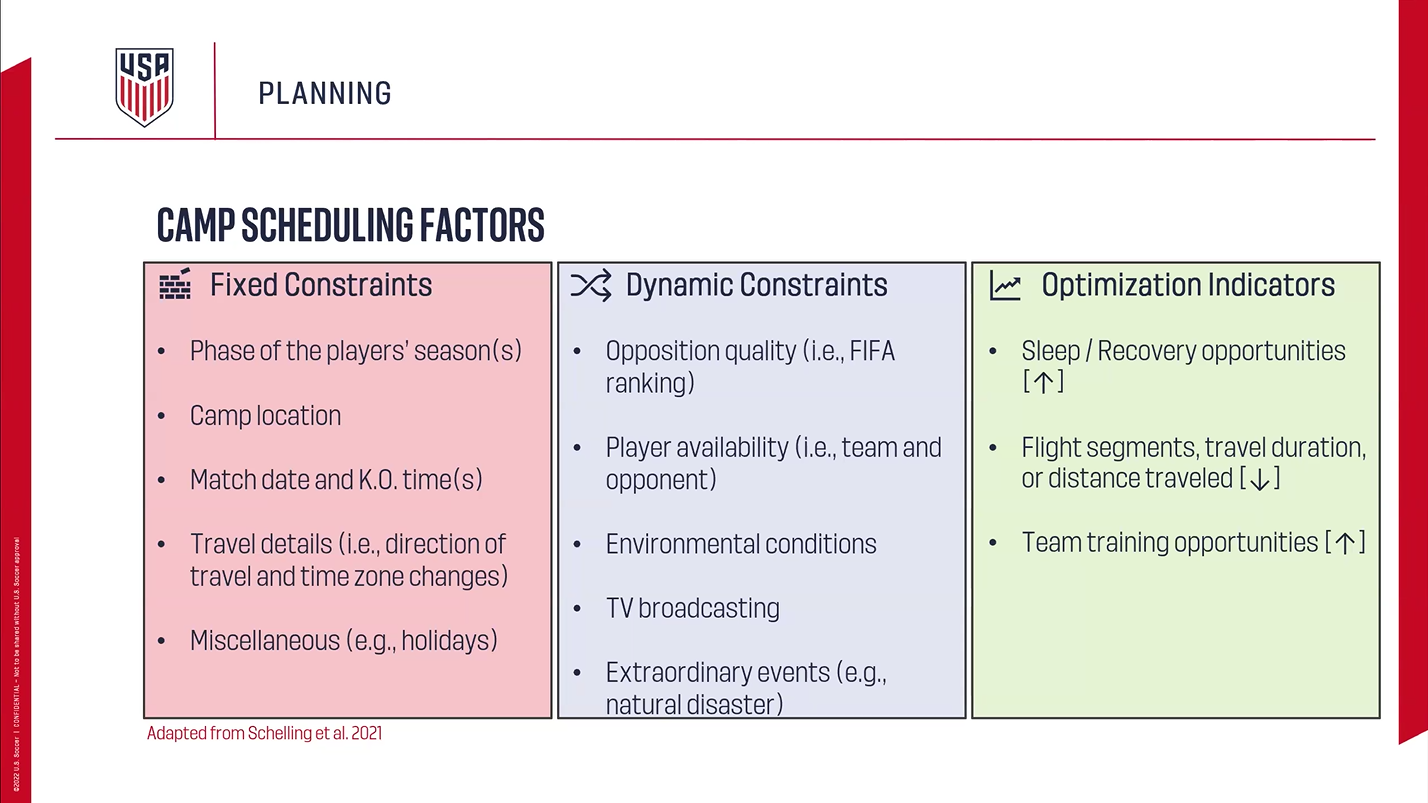
Mannix and his colleagues at US Soccer continually face the club vs country balance. In his aforementioned presentation, he spoke of the process that takes place when American players report for international duty.
“Building rapport and trust with those clubs is massively important because that helps us drive a lot of the exchange of information,” he said. “We need to know when our equipment and staff are arriving and where our players are coming from.”
Some may be in better shape than others, which underlines the need to review ahead of a session. Mannix said:
When a coach is trying to build out the session plan, the right hand is a good sports scientist or a performance coach, and the left hand is the first assistant, and those three individuals are working very closely to ensure that there’s a good plan in place for every training session. There’s good understanding as to what the availability of the players is going to be, particularly in the first two days of training, because what we’ve found through communication with clubs is we sometimes have to be flexible when players are coming into our environment simply because although Europe observes FIFA windows, we have to work with our partners in MLS on when players are released to come and join our environment.
Mannix and his colleagues understand the range of fixed and dynamic constraints they face. They use that understanding to find ‘optimization indicators’:
5. Pursue collaborative planning where possible
Where can you pool your resources with others for the collective good?
In 2024, the UK Sports Institute, US Olympic and Paralympic Committee, Australian Institute of Sport and High Performance Sport New Zealand formed the Global Alliance, which enables them to share sports science research and best practice when it comes to their female athletes.
The Global Alliance is a case study in what can be achieved in time and resource-limited environments when organisations collaborate in areas with little impact on competition itself (they still want to beat each other).
The Alliance’s main objectives, as explained on a Leaders Community Call in November 2024, include…
Additional reporting by Sarah Evans, Rachel Woodland and Lottie Wright.
In March, the themes of talent development, performance environments, team strategy and the dissolution of silos were all top of the agenda.
The City defender-midfielder’s brace capped a perfect birthday weekend (he turned 21 on the eve of the final) and secured his club the first silverware of the English season, with a domestic treble still to play for.
Post-match, O’Reilly was asked if City’s 2-0 victory over Arsenal was a significant blow to the team with whom they continue to vie for the Premier League and FA Cup.
“100 percent. It is a blow for them and we need to build on it and get some momentum from this win now,” he said having received his first (but almost certainly not last) winner’s medal in City colours.
“As soon as the international break is over we need to kick on and fight hard. We have a game in hand in the Premier League, we have to play them at our place, we are still in the FA Cup. Liverpool is a tough tie [in the FA Cup quarter-finals] and we know that so we need to do everything we can to keep going.”
O’Reilly’s rise since breaking into the Manchester City team in 2024 represents another triumph for the club’s exceptional academy. His bullishness displays the drive and determination required to thrive in the elite game.
It calls to mind a late-March virtual roundtable hosted by Leaders Performance Adviser Iain Brunnschweiler, who has worked on talent pathways in both English football and cricket.
When discussing the tensions that exist on talent pathways (Brunnschweiler highlighted five), he spoke of the need to develop well-rounded individuals and those with the ruthlessness required to succeed.
“There’s a danger that we over-index on compliance within pathways,” he said, “and, actually, being an edgy, ruthless person is an imperative characteristic for an elite performance athlete.”
It was just one of a series of talking points during a month where performance environments, strategies and alignment were top of the agenda. Read on for a complete round-up.
Quote of the month:
The athlete is undoubtedly a stakeholder with agency in their own development, but as one practitioner working in the British sports system observed during a virtual roundtable focused on performance environments, the athlete’s ever-growing involvement raises some questions:
“We’ve definitely found that when you give that space to the athletes, they then can take it a little bit too far. Sometimes they complain about everything. ‘We want to fix this, we want to fix that’. It’s not super constructive… how do we create those boundaries and expectations on what that looks like; and how can we keep it productive to the goals of the environment and what we want to do?”
Leaders Performance Institute members can read the full report here.

(Photo by Matt King/Getty Images)
Insight of the month:
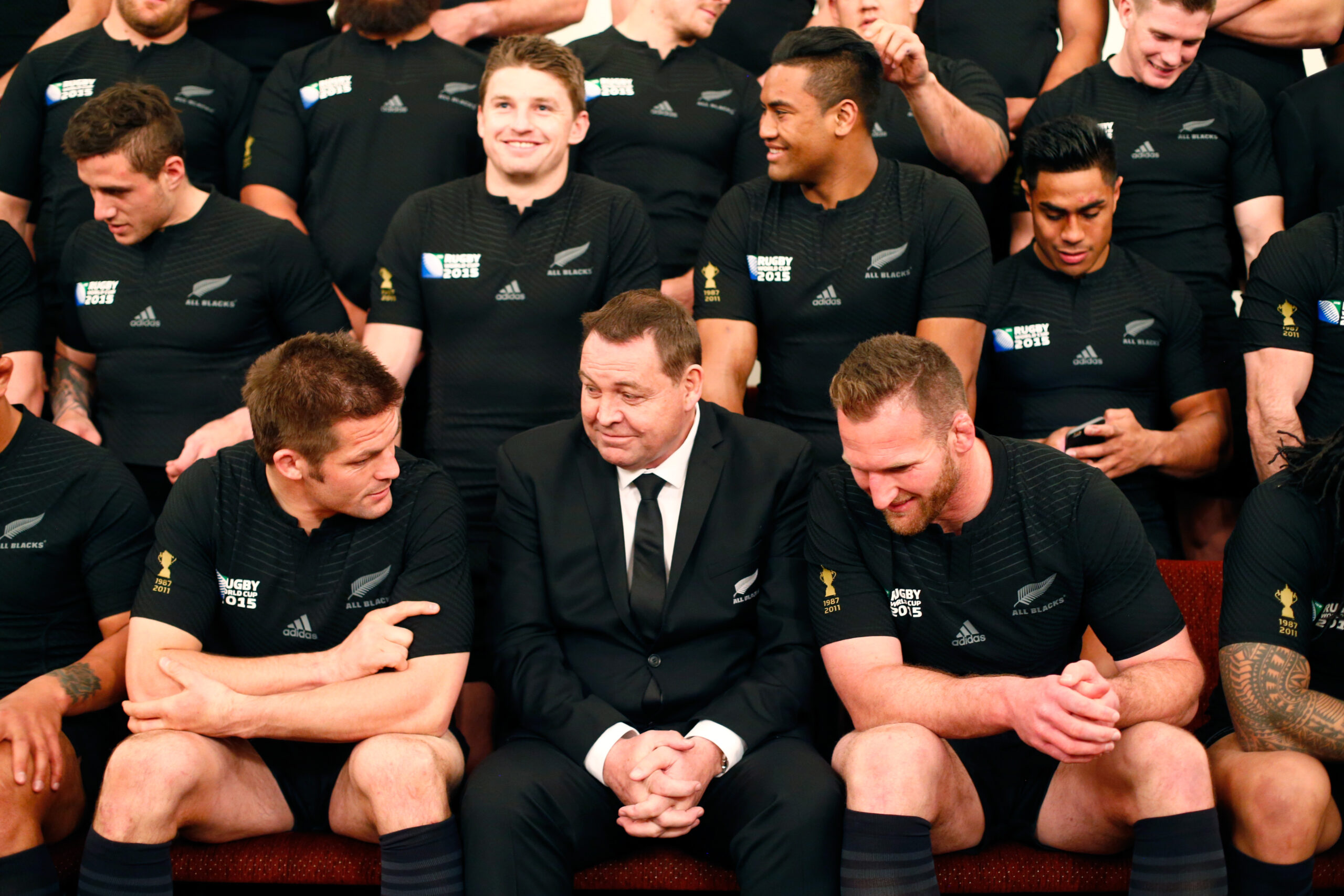
Former New Zealand All Blacks General Manager Darren Shand delivered a presentation where he explained how the team brought the concept of alignment to life in their weekly work.
He said:
“At the start of the week our players were still physically recovering. “The coaches lead at that point where we’re starting to build clarity; we’re trying to understand our next opponent and anything new that we’ve got to develop in our game for the next week. Our players physically can’t train too hard at that stage. There is 60 hours’ worth of recovery to get them back to close to 100% physically. So they’re just absorbing, they’re learning.
“As the week builds, we want to shift their focus from clarity to intensity and we want them to start to test the things that we need come Saturday. At that point we start to hand that leadership role over to the players.
“By the time we get to our final run before a match, it’s totally player-led as we strive for accuracy.”
Then, when the match starts, the players are “clear, light and bright” and everyone is on the same page.
(Photo by Phil Walter/Getty Images)
Good to know:
Expertise only improves outcomes when structures allow it to influence decisions.
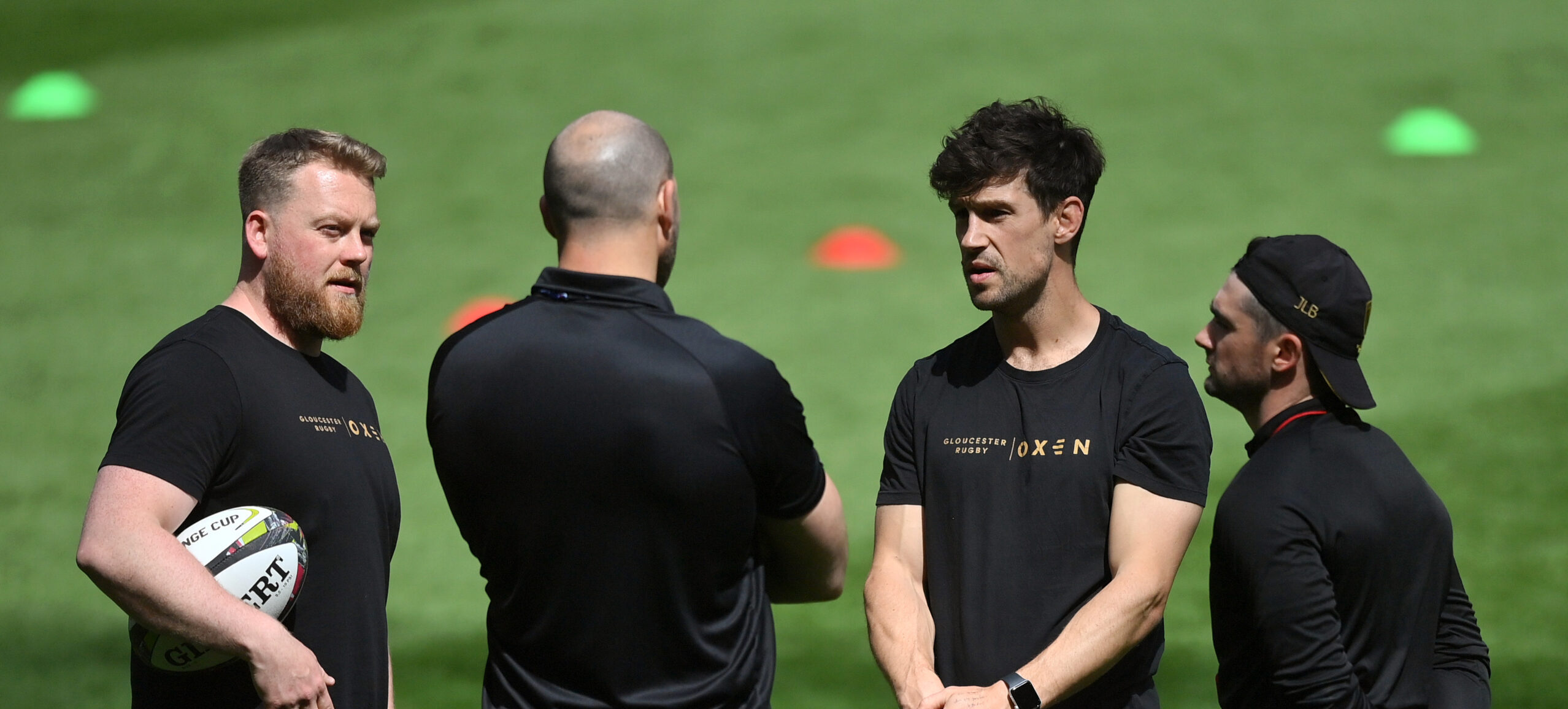
That is according to Leaders Performance Adviser Dr Robin Thorpe, who led a virtual roundtable for Leaders Performance Institute members on the question of silos.
Thorpe argues that teams should consider establishing clear decision-making rights, as the role of leadership is not to centralise decisions, but to ensure the system consistently produces high-quality decisions.
“Do we have clarity on who holds decision-making responsibility? Is information fragmented, or is it presented in a clear and accessible way that enables everyone to operate with a shared, objective understanding?”
These clear decision rights reduce upward lobbying and prevent the coach from becoming the bottleneck for every decision. This also prevents people competing for the attention of the leader. When this is embedded effectively, leaders are no longer the bottleneck, they are enabled by the system.
(Photo by Patrick Khachfe/Getty Images)
From the archives:
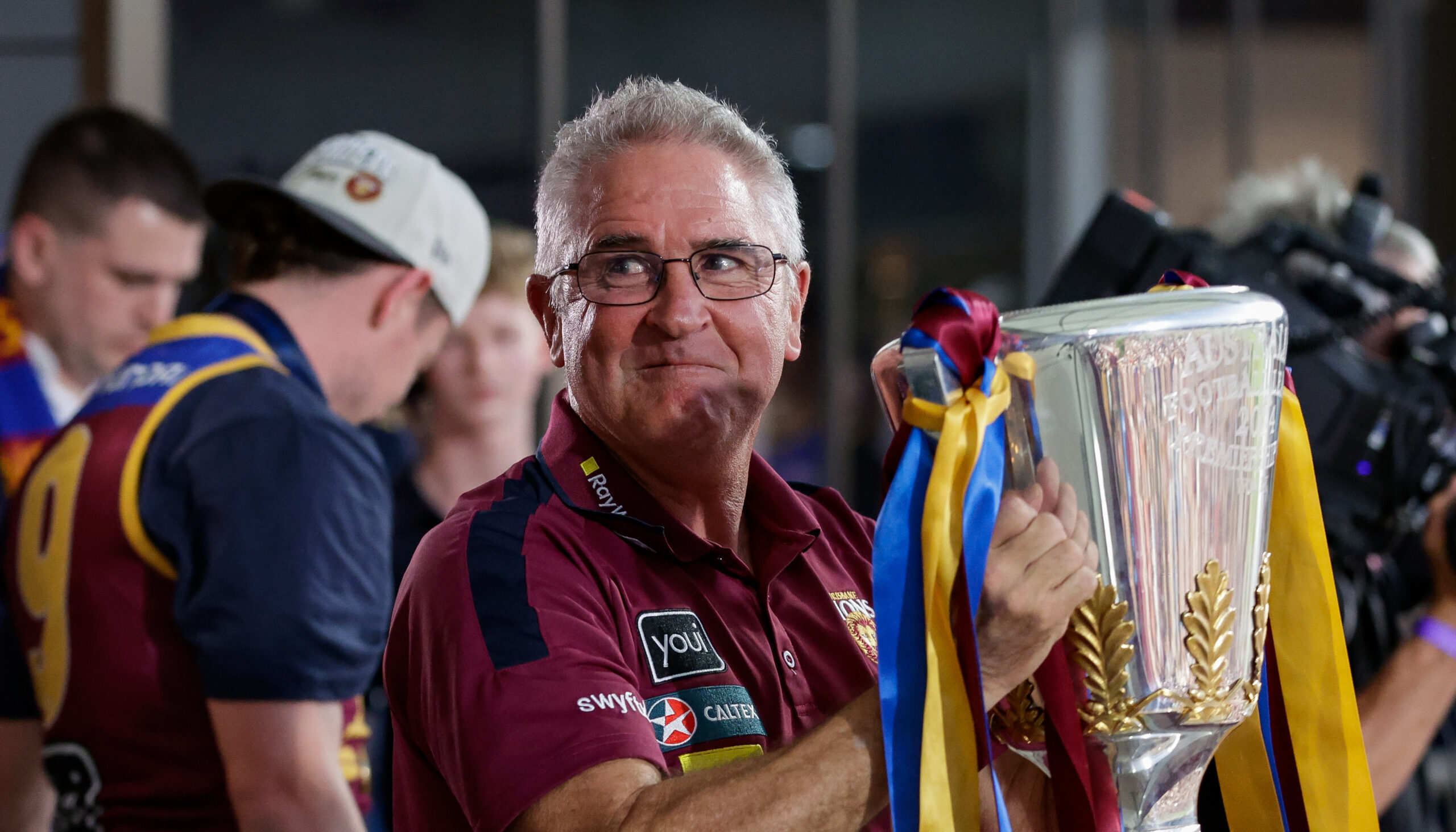
The Brisbane Lions have won back to back AFL premierships, but that wasn’t the environment Senior Coach Chris Fagan encountered in his first days on the job in 2017.
“I discovered that many of our players preferred to be in rehab than to be actually playing – it was safer there.”
He told the story of the team’s transformation on his watch at the 2023 Leaders Sport Performance Summit in London.
Leaders Performance Institute members can read the full story here.
(Photo by Russell Freeman/AFL Photos via Getty Images)
What’s coming up for members
As Warwickshire’s Performance Director James Thomas explains, strategy is not about establishing certainty, it’s about people, collaboration and coherence.
Often the word elicits a raised eyebrow amidst busy training and competition schedules or it alludes to scarce downtime for coaches and practitioners.
It is also associated with corporate language, long documents and theoretical discussions that feel disconnected from the daily reality of training, selection and competition. In high-pressure environments, planning (reviewing and learning) can be seen as a luxury, something to revisit once results improve or uncertainty settles.
My experience has been the opposite. I’m passionate about helping raise awareness of the importance and performance impact of great strategic planning.
Strategy: a precursor to performance
After more than two decades working across Olympic and professional sport, I have come to believe that performance strategy and planning are not distractions from performance, they are precursors to it. In environments often defined by pressure, volatility and constant change, strategy provides something invaluable: direction, connection and a level of continuity.
High-performance sport is inherently unstable. Calendars shift, athletes get injured, form fluctuates, staff move on, leaders change and external demands arrive without warning. In that context, the absence of a clear performance strategy does not create freedom. It creates noise. Decisions become reactive, alignment erodes, and short-term fixes quietly undermine decision-making rooted in the agreed long-term ambition.
The organisations that perform most consistently are not those that plan less. They are those that build solid foundations, plan with intent, adapt with discipline and continue to stay rooted to the agreed values and behaviours when circumstances change.
Planned Olympic success
One of the clearest demonstrations of the value of performance strategy in my career came during my time as Performance Director at British Gymnastics in the build-up to, and during, the delayed Tokyo Olympic Games in 2021.
This period was defined by disruption. The global COVID-19 pandemic fundamentally altered how athletes trained, competed and lived. Lockdowns restricted facility access. Competition schedules collapsed and re-emerged unpredictably. Athlete preparation was fragmented, and long-term planning was constantly challenged.
At the same time, the organisation was navigating a significant cultural crisis. The Whyte Review had been co-commissioned by UK Sport and Sport England in 2020 following allegations of abuse and mistreatment within gymnastics in Britain. Trust had been damaged, scrutiny was intense and the responsibility to rebuild confidence, both internally and externally, sat alongside the imperative to perform on the world’s biggest stage, the Olympic Games.
In that environment, strategy became an anchor.
It provided stability when circumstances were anything but stable. Performance strategy gave athletes, coaches and staff a clear sense of direction at a time when certainty was scarce. It reminded us of our five principles of high performance, our data informed team strategies for qualifications and finals, and created a shared understanding of what mattered most, even as day-to-day plans shifted repeatedly. This anchor also supported me during really challenging times when key staff behaviours or direction of travel didn’t align to our beliefs and approach. It gave me confidence to hold the line and make the tough decisions that leaders are so often faced with.
Rather than attempting to predict an uncertain future, the strategy focused on the team, the people, the data and practitioner-informed principles that we talked about for over three years. It established how decisions would be made, what trade-offs we were prepared to accept and those ‘what if’ scenarios that can always catch you off guard. One of these being the Head Coach breaking their leg 48 hours before heading to Tokyo. We actually had a plan for this!
This allowed the system to adapt without losing its identity.
That experience was one of the most challenging of my career, but always hugely exciting and rewarding. Three planned, but hard-earned medals secured for Team GB reinforced a core belief: strategy is not about certainty. It is about people, collaboration and coherence.
Different sports, same principles for high performance
The same principle holds true in professional football, albeit at a different scale.
During my time as Director of Performance Services at Manchester City, operating within the City Football Group, I saw first-hand how long-term strategic planning can drive sustained performance improvement across an entire ecosystem.
At Manchester City, consistent performance progression was not the product of isolated excellence or short-term cycles. It was anchored in a clear long-term plan that connected the Academy, Women’s and Men’s first teams through shared principles, aligned methodologies and a common performance language.
That plan did not seek to eliminate fluctuation. Ebb and flow were expected. Injuries, form, competition demands, squad evolution and commercial demands were all recognised as natural parts of elite sport. What mattered was that the long-term vision, the direction of travel remained consistent, even as tactics and personnel changed.
Crucially, this strategic clarity extended beyond a single team or season. It flowed across the wider City Football Group model, creating a level of coherence across clubs operating in different countries, cultures and competitive contexts. While local adaptation was encouraged, the underlying performance philosophy remained aligned.
The level of consistent on-pitch success at Manchester City over the last 5-7 years, in many ways, is unparalleled, from Academy player progression and sales to the Men’s first team treble in 2023. Long-term business and performance strategy has a lot to do with this, in my opinion.
Good performance strategy increases speed
Modern high-performance environments are defined by complexity. Multiple competitions, condensed calendars, overlapping priorities and increasingly specialised roles place constant strain on alignment. Planning in these environments is often misunderstood as control. In reality, it is the opposite.
When direction is clear, decisions decentralise. Coaches, athletes and staff can act with confidence because they understand the broader context. When strategy is absent, everything escalates upwards. Decisions slow, responsibility blurs and energy is wasted re-litigating the same conversations week after week.
The VMOST model
At this point, structures and frameworks matter.
One of the most effective ways I have seen performance strategy articulated in high-performance sport is through clear, simple models that translate long-term ambition into day-to-day action.
One such model is VMOST (Vision, Mission, Objectives, Strategy and Tactics).
VMOST was created by business strategist Rakesh Sondhi and first proposed in 1999 book Total Strategy. The framework provides a disciplined way of connecting the big picture of the future to the daily actions, tasks and deliverables required to get there.
The power of VMOST lies in its simplicity.
In high-performance environments, complexity is already high. Strategy models must reduce cognitive load, not add to it. VMOST creates line of sight. Individuals can see how their daily work connects all the way through to the long-term vision of the team and/or organisation. In my last two roles as a performance director, my VMOST strategy was etched onto a big wall, one which staff members and athletes walked passed regularly. And when curious conversations or even debates took place, we often found ourselves standing around the visual, challenging whether a new idea could really help us achieve a strategy or the mission, or was it something that could derail us and divert energy, with no clear route to helping us win. This is definitely something I am taking into my new role in professional cricket.
When applied well, this kind of structure does not constrain creativity. It enables it. People can feel empowered to adapt, innovate and solve problems within a clear strategic frame.
A new era in professional cricket
In cricket, this strategic clarity is particularly valuable and I’m living this right now as Performance Director at Warwickshire and the Birmingham Phoenix.
Across a single season, players move between formats that demand entirely different physical, technical and psychological outputs. Red-ball cricket rewards patience, control and endurance. Short-form formats demand clarity, aggression and adaptability. Players are selected for specific skill sets, yet all must contribute to a collective performance.
Without a clear strategic framework, these transitions become chaotic. Workloads conflict, roles blur and development stalls. With strategy, complexity becomes more manageable. Individuals understand their role, how it evolves across formats, and how their contribution supports the team’s wider ambition.
At its best, performance strategy connects people.
High-performance sport is full of specialists. Coaches, analysts, medics, strength staff and operations teams all operate in defined roles, and rightly so. The risk is not a lack of expertise, but fragmentation. Excellent work happening in isolation without a clear line of sight to the bigger picture, is one of the biggest risks leaders can face.
A well-articulated strategy creates connection. It allows people to see how their work links through to the final mission and vision of the organisation. Daily decisions gain meaning. Trade-offs become easier to navigate. Autonomy increases because intent is understood.
When people understand why their work matters, they can make better decisions.
Strategy also provides continuity in environments where turnover is inevitable.
Athletes move on. Coaches change. Support staff rotate. In some organisations, meaningful personnel change happens every season. Culture alone cannot carry performance identity through that level of churn.
Strategy creates continuity of thought.
It anchors philosophy, ambition and non-negotiable principles beyond any individual. It allows new people to arrive and quickly understand how performance is built, what standards matter and what success really means in that environment.
In my experience, the strongest systems are those where people can come and go without the performance identity being lost. That does not happen by accident. It happens because strategy has been made explicit, shared and lived.
This requires leadership discipline.
Performance strategy only creates connection and continuity if leaders reference it consistently, use it to explain decisions and hold themselves accountable to it under pressure. When strategy is visible in how leaders talk, select, invest and prioritise, it stops being a document and becomes a shared language.
That language matters when pressure rises.
Under stress, people revert to what they understand. Strategy provides a common frame of reference. It reduces anxiety, accelerates alignment and allows honest conversations about performance without personalising every decision.
Planning also helps organisations say ‘no’.
In elite sport, opportunity is constant. New competitions, new technologies, new interventions and new ideas arrive relentlessly. Without strategy, everything feels urgent, and every new opportunity feels like one we can’t miss out on. With strategy, priorities are clear. Resources are allocated intentionally. Energy is focused where it matters most.
Importantly, you need to find ways to stay flexible, and not become rigid, bound to a strategy you developed years ago.
The best strategies are not scripts. They are frameworks. They define principles, priorities and trade-offs rather than fixed answers. They allow adaptation without drift.
Good performance strategy answers simple but powerful questions:
The human impact of planning is often underestimated.
Clear strategy can reduce uncertainty. It gives people confidence in decision-making. Applied well, it creates psychological safety by replacing ambiguity with intent. Athletes and staff perform better when they understand direction, expectations and how success is defined.
This is particularly important in high-performance environments where accountability is high and pressure is constant.
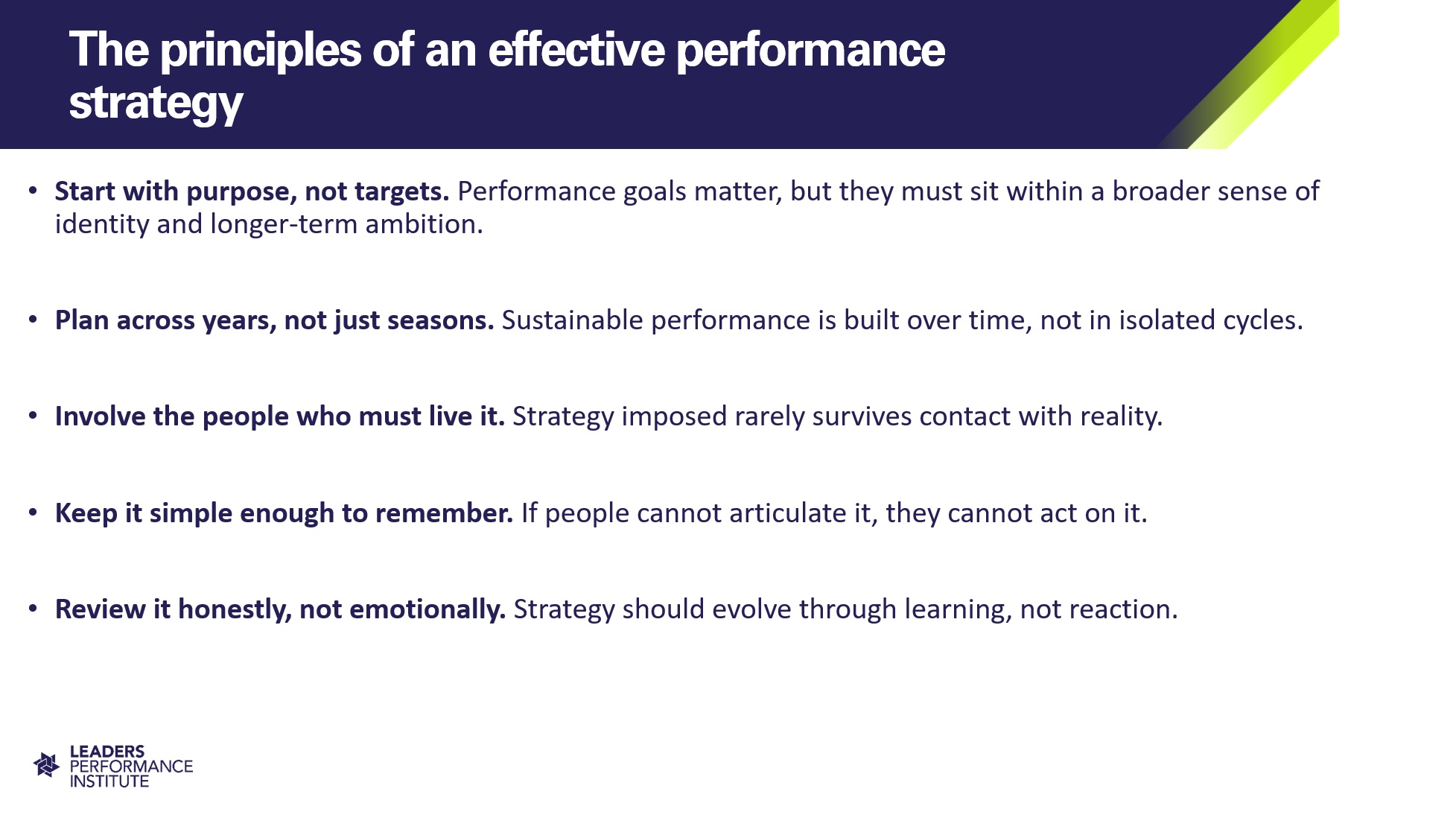
For leaders looking to build effective performance strategy, a few principles matter.
Competitive advantage
Across Olympic and professional sport, one belief has remained constant for me: strategy is a competitive advantage if organisations are willing to treat it as such and invest in the people who are delivering it.
In high-performance sport, change and uncertainty is guaranteed. Strategy does not eliminate it, but it determines whether change becomes a threat or can be used as an advantage.
When planning for performance connects people, aligns ambition, creates continuity and promotes curiosity, performance shifts from reactive winning to sustainable success.
James Thomas is the Performance Director at Warwickshire County Cricket Club and one of sport’s leading high performance experts. If you wish to speak to James, please contact a member of the Leaders Performance Institute team.
More from James Thomas
Haas F1 Team Principal Ayao Komatsu manages pressure and expectations at his team with a blend of challenge and support.
Not that he watches it, as he told the audience at the 2025 Leaders Sport Performance Summit.
“When I’m doing my job, if I even for a moment think about what I say or how I behave or how I’m perceived by a TV audience, then I can’t do that job,” said the Team Principal of the Haas Formula One team.
Those inhibitions, he explained, “could be the difference between me making the right decision or not” during a race.
Not that Komatsu is unaware of the influence he has as a leader. Google his name and the images that spring up tend to depict him holding a microphone at a press conference or media engagement. In that sense, Komatsu’s onstage appearance in London – just days after November’s Brazilian Grand Prix and a 12-hour flight – is no different.
“When you’re doing a media session that is an opportunity for us to tell our story, who we are,” he added.
Who they are is Formula One’s smallest team, both in terms of staff size, budget and infrastructure, but with a hard-earned reputation for punching above their weight under Komatsu’s stewardship.
In the year prior to his elevation, Haas finished tenth out of ten, which was in keeping with their size but below the expectations of team owner Gene Haas.
Komatsu, who previously served as Haas’ Chief Race Engineer, took the reins from Gunther Steiner ahead of the 2024 World Championship and led the team to seventh in the Constructors’ Standings; in 2025, they finished eighth.
He puts it down to an organisational structure that “promotes and forces communication and helps people to get to know each other”. “If we cannot work together, we’re not supporting each other, if we’re not aligned, we’ve got zero chance against organisations that are a minimum three times, sometimes four times larger”.
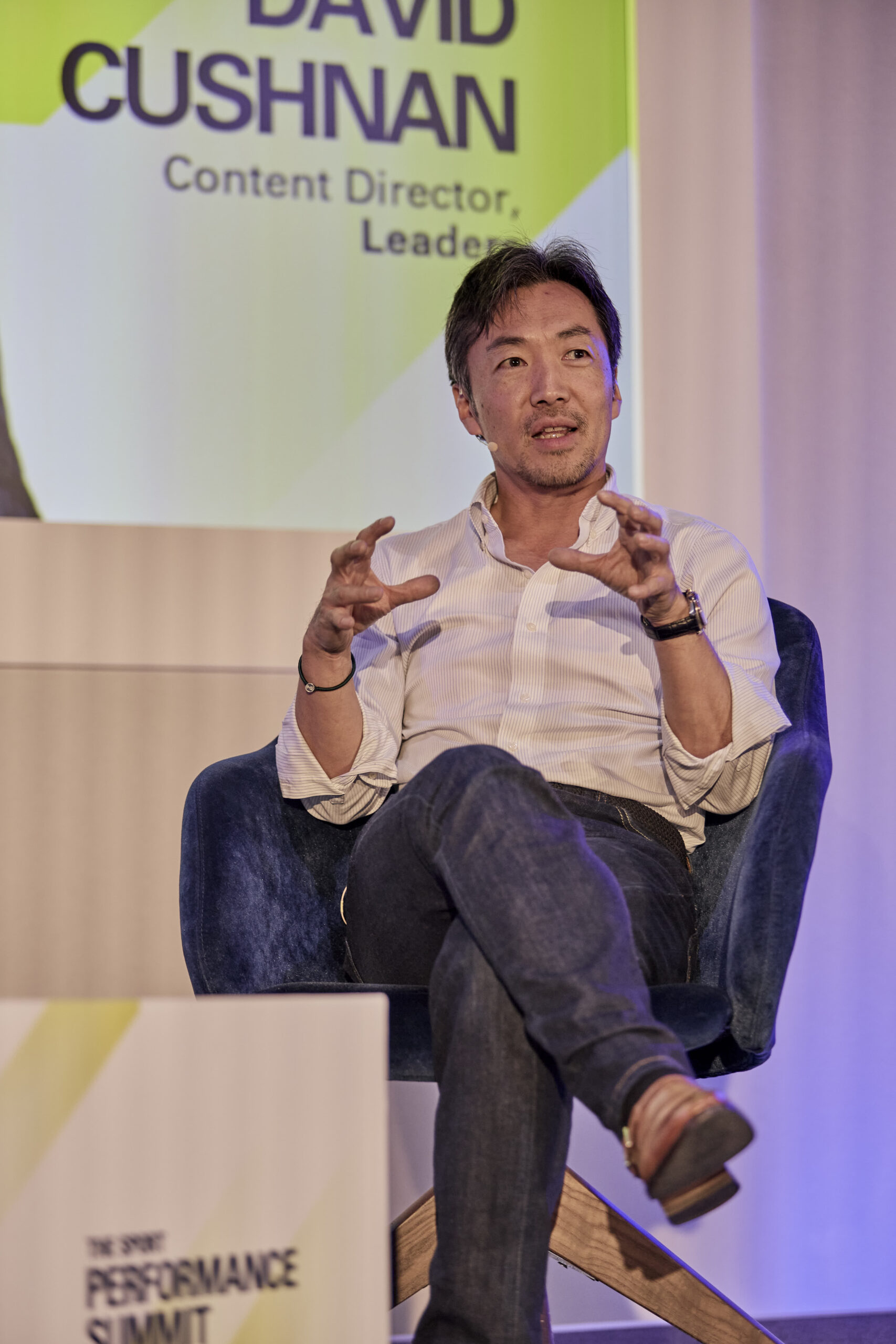
Ayao Komatsu onstage at the 2025 Leaders Sport Performance Summit at the Kia Oval in London.
Over the course of 35 minutes, Komatsu set out what it takes to manage the pressure and expectations of building on Haas’ successes while keeping in touch with Formula One’s leading lights.
Komatsu understands that you can’t chase results under pressure
Chronic pressure eventually leads to diminished performance. Komatsu found this out to his cost at the 2025 British Grand Prix at Silverstone.
“My mindset approaching the race was completely wrong,” he said. “I was really trying to force the result because I knew we should be scoring lots of points.”
Haas had spent considerable time and resource developing their car prior to Silverstone and knew that their drivers, Oliver Bearman and Esteban Ocon, could claim high finishes. Instead, the duo collided on the 43rd lap and finished pointless.
“What happened was really instead of letting the race come to you, doing your best, focusing on yourself, you are just focused on the result.”
It was a rare misstep for a leader who tries to give his staff “breathing space” and “a chance to think more about what they do rather than chasing it, because that’s not sustainable”.
Nevertheless, he pushes people out of their comfort zone each day
Komatsu said: “Our people are not afraid of failure. If you’re afraid of failure, nobody’s going to move.”
The right balance of challenge and support can enhance both focus and motivation.
“You’ve got to give people a clear message that, ‘come on, you’ve got to take yourself out of your comfort zone every day’,” he added. This is Komatsu’s non-negotiable. “If you haven’t taken yourself out of your comfort zone once a day, actually, I don’t think you’ve done your job.”
Komatsu encourages calculated risks that build confidence
Whenever crisis strikes, Komatsu has a well-planned contingency to relieve collective stress.
One such occasion was at the first race of the 2025 season, in Melbourne, where the Haas cars just “did not function”. Ocon qualified in last position, while Bearman could not even set a qualifying time and was required to start the race from the pit lane.
“That was a really testing time,” said Komatsu. But the team had discussed this very possibility for the past four months. They knew the car would either fly, flop or achieve something in between. In the event, the car flopped.
Their response to that race weekend was governed by the new car regulations coming in for the 2026 season. Most teams began to focus on their 2026 cars not long after Melbourne. Haas, with their comparatively modest resources, had no choice but to develop their 2025 car further because, as Komatsu said, “one place in the Constructors’ Championship is worth millions”. “So to make next year’s budget work, with brand new regulations, you’ve got to keep spending money to develop the car.”
He is proud of what happened next. “We just got on with it,” he continued. “I gave the team a clear objective; what is not acceptable, what we need to achieve. I didn’t tell them how. I listened to them and they came up with the solution and took the risk.”
While the true outcome “will only be known in January or February”, the 2025 car did improve and so did the team’s standing.
“For me, more than that sporting result, more than the lap time we gained, the important thing is the confidence this gives the people of the organisation; it’s priceless.”
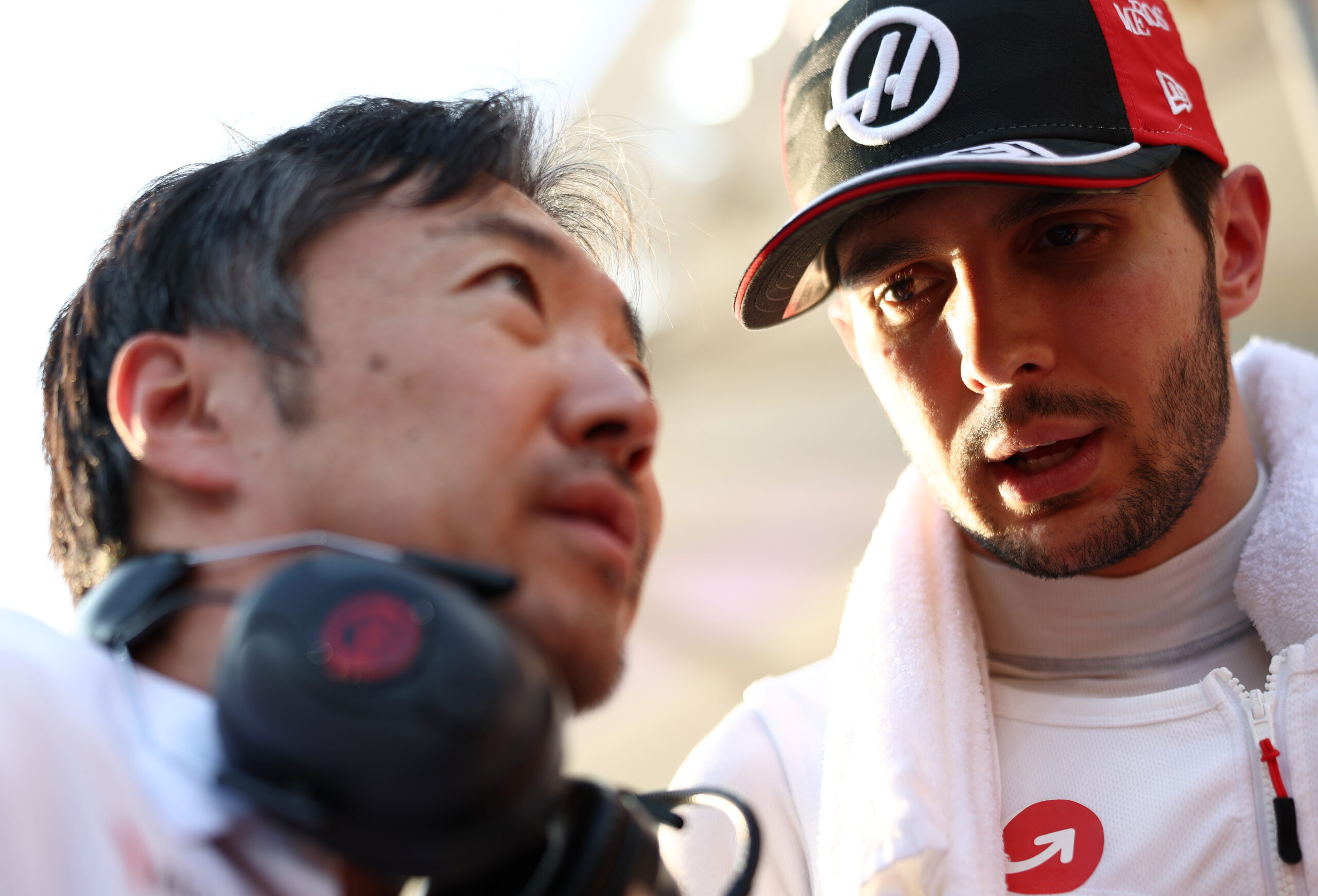
Ayao Komatsu and Esteban Ocon talk on the grid prior to the F1 Grand Prix of Abu Dhabi at Yas Marina Circuit in December 2025.
He has also cultivated a ‘no blame’ culture
In removing the fear, providing breathing space, and giving people latitude to solve their own problems, Komatsu has cultivated a ‘no blame’ culture.
He took public responsibility for the collision at Silverstone but later spoke to Bearman and Econ about what went wrong. He let them air their grievances and decide the future rules of engagement when their cars are in close proximity mid-race.
“I said, ‘look, until the next race, we’ve got two weeks. Take your time, you put everything on the table and, by next week, can you come to an agreement? If you don’t come to an agreement, I’ll tell you what we need to do’,” said Komatsu while fully aware that neither driver wants to be told what to do by anyone else.
“The important thing here is that full transparency,” he added. “I don’t have any other agenda than wanting both of you to perform; the team to perform. I’m not biased towards one driver or the other, but then again, sometimes I have to make a decision that will disadvantage one of the drivers, but as long as this guy knows that I was making that decision purely based on the interest of the team, as long as you’ve got that respect and transparency, it’s fine.”
When Ocon signed with Haas ahead of the 2025 season, some external observers harboured reservations due to his supposedly difficult character. Komatsu, having worked with Ocon for more than a year, is having none of that.
“I knew that it’s got a lot to do with the respect between the team and the driver, transparency, and then providing that safe space. I was very confident that we could provide that environment.”
What to read next