Ulster Rugby Head Coach Dan McFarland shares five performance-focused tomes that have influenced his career.

McFarland says: “This book really touched me emotionally and I read it at a time in my life where learning the importance of having a meaningful purpose and diving headlong into living that purpose was critical.”
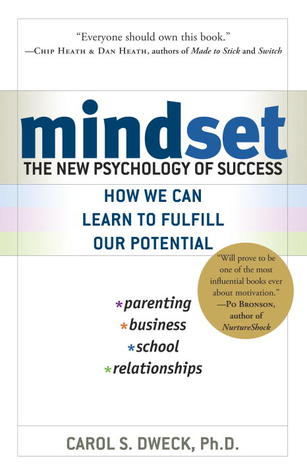
McFarland says: “Understanding the basis of growth and learning as the willingness to challenge yourself and that that is a great thing.”
More on Mindset here.
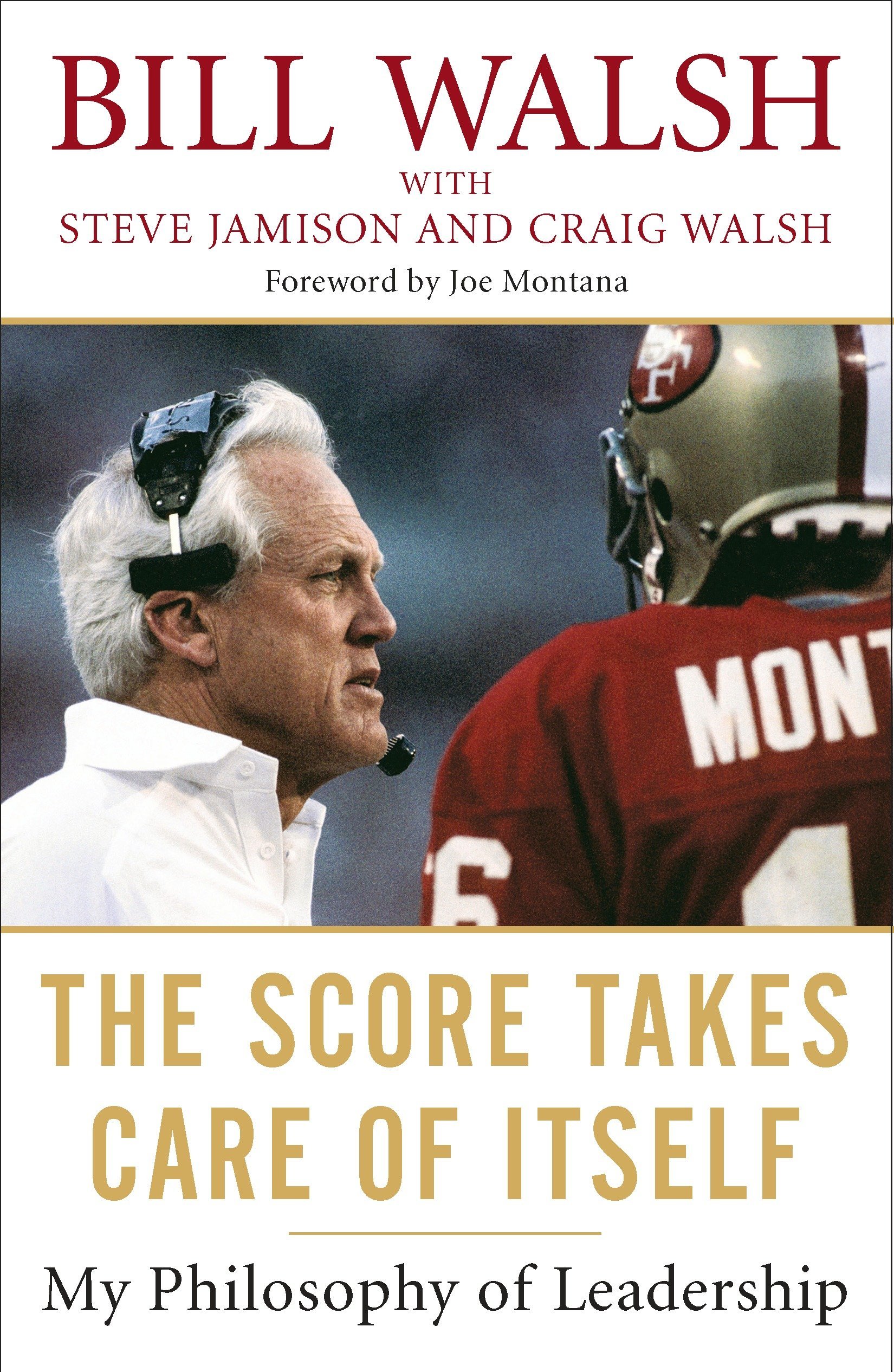
McFarland says: “I am not sure that I am at all the kind of coach the great Bill Walsh was but I loved the detail and accountability he developed in the setting up of the 49ers machine.”
More on The Score Takes Care of Itself here.
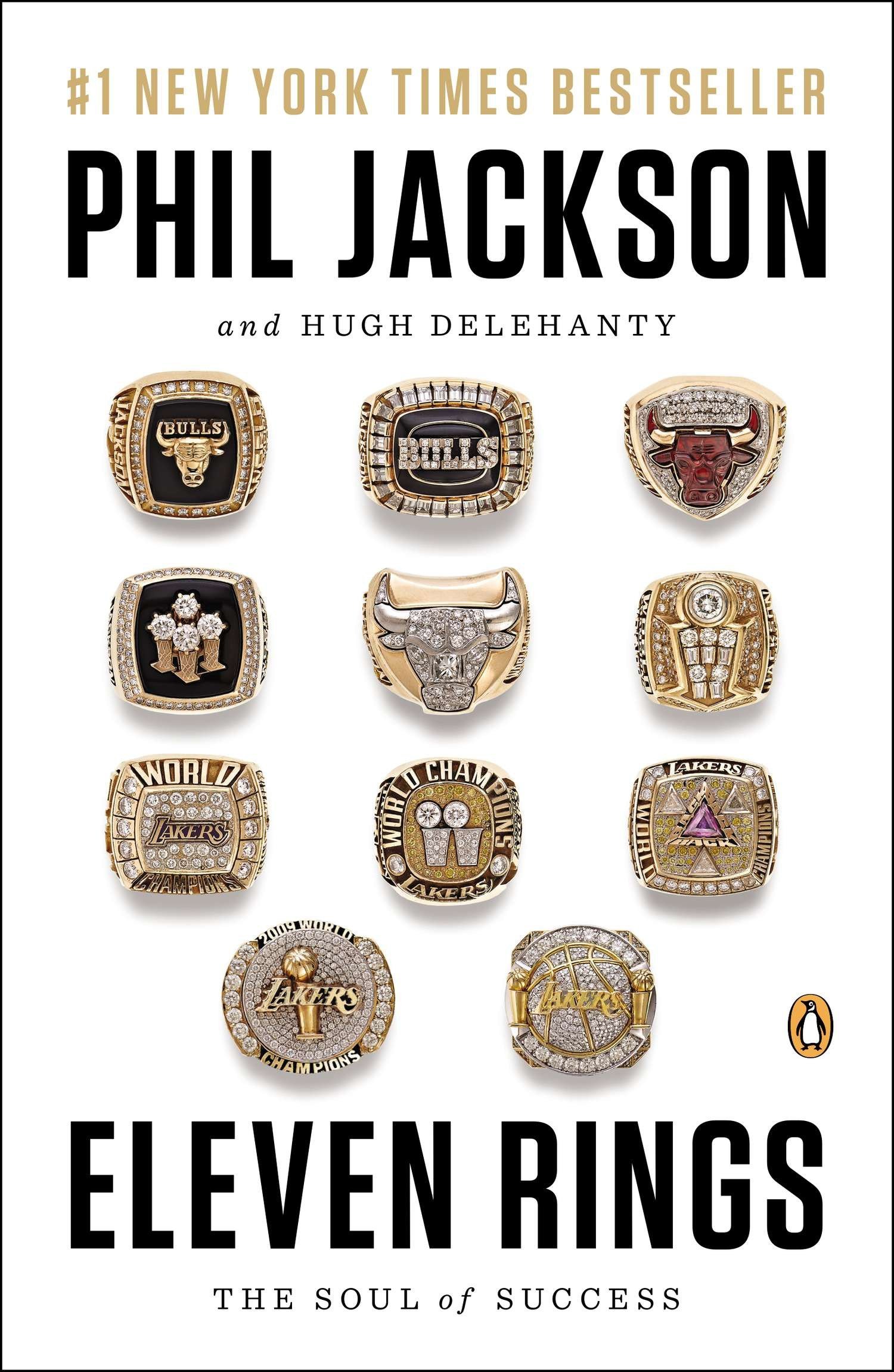
McFarland says: “Phil Jackson totally understood how important context is to leadership. He demonstrates empathy in equal measure to strong decision making.”
More on Phil Jackson here.
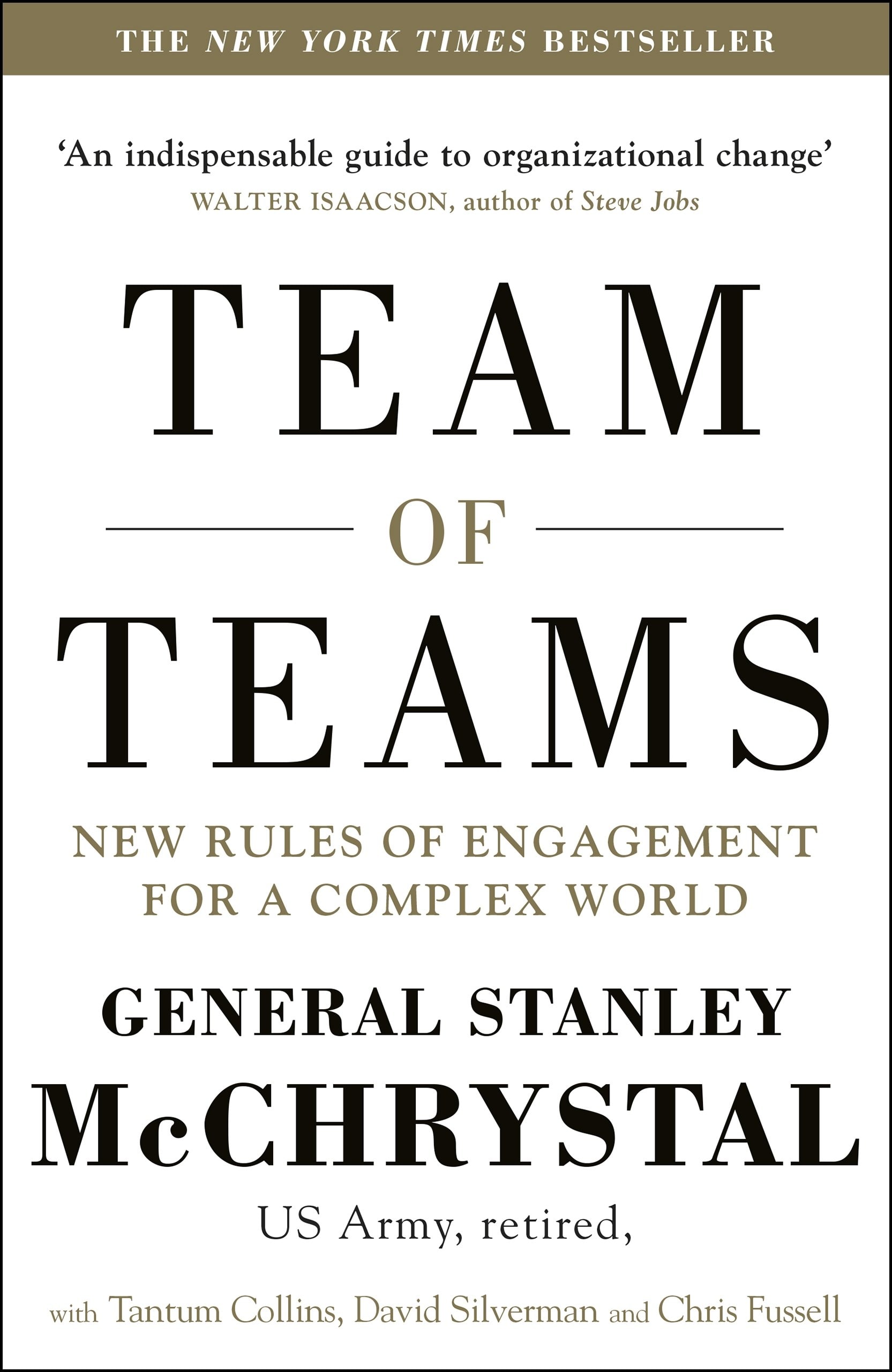
McFarland says: “McChrystal was able to see the need for change within the military operating systems in modern warfare. He implemented change from traditional military hierarchy to distributed leadership – this level of change in conceptual thinking is mind-blowing to me.”
More from the McChrystal Group here.
A Human Performance article brought to you by our Main Partners

Recommended listening/reading
Keiser Podcast: How Leaders Can Overcome Resistance to Change
How to Create Energy in Athletes Performing Under Great Scrutiny
Framing the topic
This was session two of our new Performance Support Series, which focused on exploring the topic of ‘Making Wellbeing A Core Component Of Your Organisational Culture’, led by Dr Meg Popovic. In the last session, Meg explored culture, wellbeing and learning through an organisational / systems lens. In this session we delved into the ‘Team of Teams’ phase of Meg’s framework and the thinking of relational intelligence through subcultural understanding. There is one more session to follow, and across all of the sessions, we will look to explore three questions: how do you see? What do you see? How do you use what you see to make it better?
What is a ‘subculture’?
How does this work in high performance sport?
If you want to design a new role, and have it contribute to something you’re already doing, how do you know what is possible and how do you know it will work? Ask yourself, what is the outcome I / you / we want to seek?
Success in this is when the leader hits the mark on the programme or process of the subculture. Failure, or when it falls flat, is when you’ve missed something or missed the mark within the subculture.
Meg Popovic: ‘Today we become team of team ethnographers tasked with investigating staff subcultures using this framework’:
What is Relationship Systems Intelligence?
The ‘third entity’: Imagine each staff system is a living organism, a collection of parts.
Group exercise
Step 1: Pick TWO staff departments.
Step 2: Subcultural analysis. Explore subcultures of two sub groups, think about the following for each sub group.
The shadow
The framework that is dragged behind, that which is in the background, seen or unseen, acknowledged or not acknowledged, but there is gold in there too.
Part of the growth process is shining light on the dark parts, and not being ashamed of those dark parts or making them wrong, but instead bringing them in and integrating them. This can happen on an individual level or on a group level.
Step 3: Deeper subcultural work – ask the following questions for the same two sub groups.
Task before next session: Next Level Leadership – The Wellbeing 1%
Do one small thing for each department (or someone in the department) that honours who they are. Recall the dream behind the complaint, and think about what would connect with them. It doesn’t have to be a grand gesture, just something small, but we all know we operate in a world where the 1 per cent matters. Bring back to our group later this month to celebrate with each other.
“There could be something in a group chat that was buried under half a dozen different birthday messages,” he tells the Leaders Performance Institute.
That missing information could be the details of a pitch the team is training on, the details of a medical appointment or a sponsor engagement.
Trimble, a former rugby player with 229 caps for Ulster and 70 caps for Ireland, explains that teams across all sports struggle with communication channels. “There are teams with 10-15 WhatsApp groups or – just as bad – they have one group for every single topic and there are numerous threads being discussed; and no one can understand everything,” he continues.
It sounds confusing. “Then there’s numerous screen grabs of whiteboards, which are obviously non-live. In some instances, an athlete has to walk into the medical room, pick up a marker and book an appointment that way, which is very strange in this day and age.”
Trimble, who retired from playing in 2018, heads up the Belfast-based Kairos, who have created a unified digital planning platform that enables better communication within sports organisations, from operations and management to coaching and performance. The platform was designed to be not only sport agnostic, but has tools to support every level from first team down through academies.
Kairos – a Greek term meaning ‘the decisive moment’ – enables teams, through their app and desktop-based platform, to solve problems by eradicating the distractions caused by multi-channel approaches. Trimble and Kairos Chief Operating Officer Gareth Quinn, who developed the first iteration of their platform in the mid-2010s, soon realised there was no suitable tool on the market. “We received strong validation that this is a problem that’s really worth solving,” says Trimble, who explains that Kairos is compatible with third party calendars such as Outlook and Google. “With our platform, it’s all very clear, there’s no clutter, all the athletes know where they need to be and there’s greater levels of accountability.”

Their platform is currently used by teams in the English Premier League, United Rugby Championship, Premiership Rugby and a series of teams across North America and South East Asia. Trimble points out that these teams may not just be suffering from a problem of unclear communication. “From a staff member’s perspective, it could be getting assurance that if you send something important to an athlete that it’s going to be delivered, received and understood and engaged with correctly,” he says.
“If it’s one place, then it doesn’t take up any cognitive load for the athlete. They can spend 100 per cent of their time thinking about performance. If that’s compromised in any way, if they have to scroll through their screen grabs or pictures of a PDF, and they have to scroll through their email for something else and look through their WhatsApp group to find a thread, then all of that is a distraction and all of that impacts on performance. Equally, if multiple departments are speaking different languages then you’re asking an athlete to be a goalkeeper with ten different goals to defend.
Trimble delves further into the issues that can exist within a single team. “Even within one department you can have three or four different behaviours,” he says. “Take a medical department. One medic may create a block of availability that allows athletes to book appointments, another medic may book that same slot of availability but then allocate slots to athletes, there may then be another medic who bypasses all availability and pushes bespoke events or appointments to players.
Kairos helps to solve such problems. “Athletes and staff get the assurance that everything is on the platform and they can see it. It’s all live. Any department that wants to communicate with the athlete will use the one platform. Ultimately, they’ve got one goal to defend and, if anything changes, they can see notifications, reminders or updates on their notification channel; it’s very clear and very easy for them to know where they have to be, what they have to do, what the requirements are, and then how to get the best out of themselves.”

The platform can also be adapted to the prevailing culture at a team. “There’s ownership on one end and management on the other, and every team lies somewhere on that spectrum, but it’s important that we can support everybody, whatever that team culture is or environment or what the expectation of the players is; either to tell them where to be or what to do, or to allow them to manage all that themselves. We’ve got tools to capture both behaviours.
“There’s a number of different ways that you can use our software and it’s important that we can work with a team and find a way that works best for them and gets them the best results and, ultimately, gets their athletes performing the best.”
On that note, Trimble says that Kairos is continually reiterating its platform. “Every conversation for us is about discovery, finding where the club is at, and deciding what their unique issues are and, nine times out of ten, we will have encountered something similar before and there will be a mechanism in place to be able to provide a solution in the software,” he says. “We can take them through that, but often there can be something unique and there’s learnings in that for us too. That could even just be a coach with a new way of thinking about the game, a new way of communicating, or a new operational procedure. We have to capture that development.”

This attitude points the way forward for the next 12 months. “The next phase we’re going to be working on is the integration with third parties, be that GPS providers, sleep data, or nutrition and diet.”
The feedback from Kairos’ ever-growing client base has been positive too. “They say it is unthinkable that they’d be able to go back to the way it was before,” says Trimble. “Professional athletes require a platform that treats them like they’re a valued professional and communicate in a way that gives them back time and takes away distractions.”
A Leaders Performance Podcast brought to you by our Main Partners

The British sprinter – a two-time Olympic 4x100m bronze medallist – is speaking to the Leaders Performance Podcast as part of the Keiser Athlete Optimisation series.
Asha won bronze with her teammates in Tokyo and talks about some of the steps that enabled her to go again after winning a medal in Rio in 2016.
Also on the conversational agenda are:
John Portch: Twitter | LinkedIn
Further listening:
Leaders Performance Podcast – Leadership & Culture Special
Listen above and subscribe today on iTunes, Spotify, Stitcher and Overcast, or your chosen podcast platform.
